Rest, Retention, and the Truth About How Your Brain Learns

Under stress, many bar takers default to the same solution: more studying. Longer hours. Fewer breaks. Greater isolation. While this approach may feel responsible, it often undermines learning rather than supporting it.

The brain doesn’t retain information well when it’s under constant pressure.

Why Rest Strengthens Memory

While you’re actively studying, your brain is processing new material. Strong memory formation happens afterward, when the brain has space to connect new information with what it already knows. Rest is when those connections solidify.

Without that space, recall becomes inconsistent and fragile — especially during high-pressure testing situations.

The Cost of Ignoring Recovery

Studying while emotionally exhausted or internally critical activates stress responses that interfere with attention and memory. Over time, this creates a cycle where studying feels harder and less productive, even though effort increases.

Stepping back to rest isn’t avoidance. It’s maintenance.

Studying With Less Internal Resistance

When sleep, nutrition, and emotional recovery are prioritized, studying becomes more efficient. Focus improves. Retention strengthens. Confidence stabilizes—because your nervous system isn’t constantly on edge.

Learning works best when your brain has space to consolidate and stabilize information. Constant stress quietly interferes with retention and recall.

Bar Exam Peace provides tools to help regulate internal pressure and support clarity, allowing your nervous system to settle while you continue preparing.

Creating the right conditions for your brain to work well makes studying feel steadier, more manageable, and less overwhelming over time.

Why Rest Is a Core Part of High-Performance Studying

Once you’ve been through the material at least once, bar prep shifts into a different phase. At that point, studying is no longer about exposure alone. It’s about strengthening recall, improving application, and learning to access information under pressure.

That phase requires something many bar takers underestimate: rest.

The Two Phases of Learning

Learning happens in two stages. The first is active — reading, outlining, practicing. The second is integrative — when the brain organizes, connects, and stabilizes information. That second phase happens during rest, not while you’re pushing through more questions.

Without rest, information remains fragmented. With rest, recall becomes more reliable, especially under timed conditions.

Why Pushing Harder Often Backfires

Many bar takers assume that fatigue is a sign they should work harder. But studying through exhaustion compromises attention, slows processing, and increases emotional reactivity. The brain becomes less efficient, even though time spent studying increases.


This is why bar takers sometimes feel like they’re working more while retaining less. The issue isn’t effort — it’s recovery.

Adapting Study Volume Without Losing Momentum

Your capacity naturally changes during bar prep. Some days you can study longer, other days you can’t. Adjusting your study volume while staying consistent helps protect focus and prevents burnout.

When stress or fatigue interferes with your focus or recall, Bar Exam Peace provides exercises and tools to help you manage anxiety, stabilize your nervous system, and approach bar prep with calm, steady confidence.

High performance doesn’t come from constant intensity. It comes from giving your brain the conditions it needs to work at its best.

The days you miss never erase the days you showed up

Every bar taker knows the feeling. You miss a day of studying, or maybe two, and your mind immediately jumps to the conclusion that you’ve ruined your progress. It feels like you’re back at the beginning, even though nothing about your knowledge has actually disappeared.

That reaction comes from fear, not reality.

A Lesson From Outside Bar Prep

Years ago, when I served in the Army, physical fitness was part of my routine. Later in life, after becoming a parent and returning to healthier habits, I noticed something important.  When life interrupted my routine and I missed a day, I’d feel totally discouraged.  Then I’d fall out of the routine until something new came along to motivate me.  This pattern was maddening.  I began realizing that missing a day (or even a week) did mean my progress vanished. All was not lost.  The foundation I had built stayed intact.  And what mattered most was, not that I’d broken my streak but how soon I get back to into it.

Bar prep works the same way.

What Missed Days Really Mean

Missing a study day doesn’t erase what you’ve learned. Your brain doesn’t reset because you paused. The rules you studied, the concepts you practiced, and the understanding you built are still there.

In many cases, a pause protects your ability to continue. Rest allows your brain to consolidate information and helps prevent burnout.

Returning Without Punishment

Progress in bar prep is built over weeks and months, not individual days. You don’t need to punish yourself to regain momentum. You can step back in without losing ground, often with more clarity than before.

If missing days has ever made you question whether you’re doing enough, pause for a moment and ask yourself this:
What would change if your study plan actually worked with your life instead of against it?

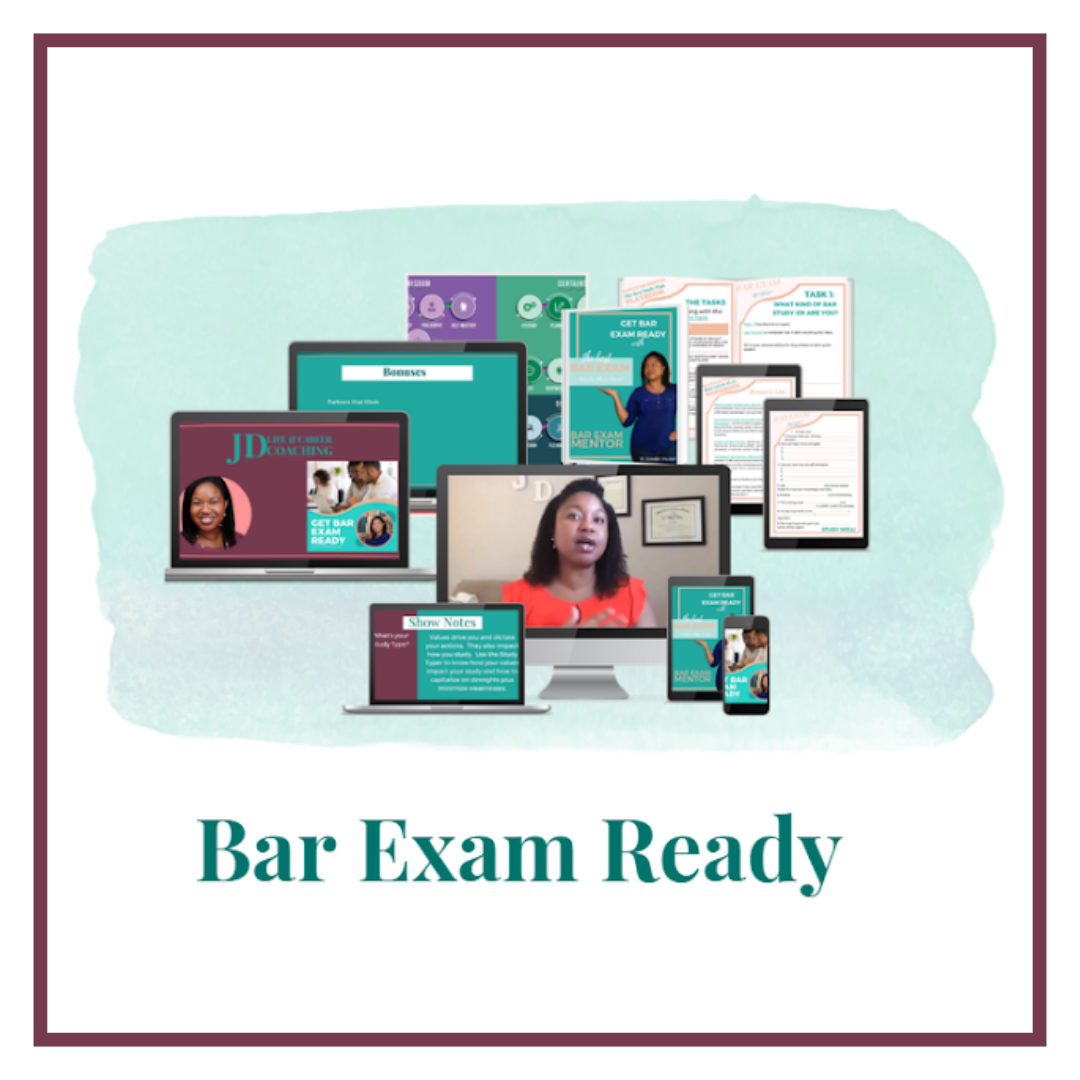
Bar Exam Ready was created for bar takers who want steady progress without burnout or guilt. It helps you build a study rhythm that holds—even when life interrupts—so you can step back in calmly instead of starting over.

If you’re ready for a more sustainable way to prepare, Bar Exam Ready can show you how.


Study Personality: The Missing Key to a Calmer Bar Prep

At some point during bar prep, many students notice a quiet shift. They start to feel unlike themselves. They withdraw more than usual, become rigid in their routines, and disconnect from the parts of their personality that usually help them cope with pressure.

This change doesn’t happen because the bar exam demands it. It happens because many bar takers believe they have to force themselves into a study style that doesn’t actually suit how they function best.

When Studying Stops Feeling Natural

I hear this often during consultations. Bar takers tell me they feel like their personality disappears once studying begins. They describe becoming more serious, more isolated, and less patient with themselves. Studying starts to feel like something they have to endure rather than something they can sustain.

That strain doesn’t come from the material itself. It comes from studying in a way that clashes with how you naturally focus, process information, and recharge. Over time, that mismatch drains energy and erodes confidence.

Why One-Size-Fits-All Bar Prep Creates Friction

Traditional bar prep advice tends to promote a single approach: long hours, minimal distractions, strict routines, and isolation. While that structure works for some people, it doesn’t work for everyone.

Some bar takers focus better with flexibility. Others need interaction to stay motivated. Some need quiet and structure, while others think more clearly when they can move, talk things through, or study in shorter bursts. When your study environment aligns with who you are, the process feels steadier and more sustainable.

Creating a Study Routine That Fits You

You don’t need to disappear into bar prep to pass. When your study habits reflect how you actually function, studying becomes less of an internal battle. Confidence grows, consistency improves, and the process feels more manageable.

If you’re finding yourself constantly trying to “fix” your routine without success, it may help to understand how you’re wired to study. The Study Personality Test offers insight into how you naturally learn and focus, helping you shape a study approach that supports your strengths and protects your energy.